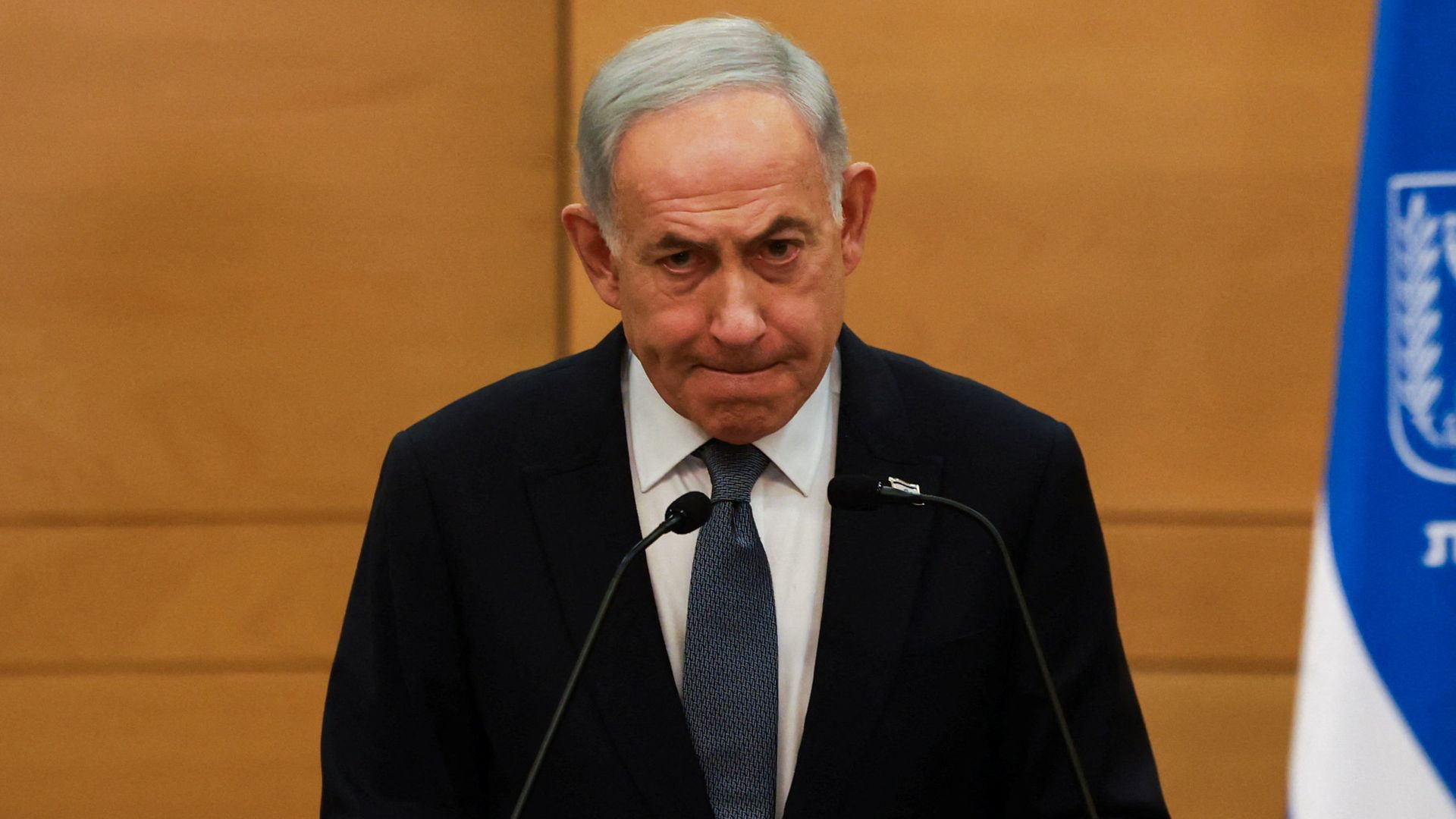
Ten years of investigations, endless courtroom drama, and a polarized nation might finally be reaching an abrupt intersection. When Jerusalem District Court judges told prosecutors there is little chance of securing a bribery conviction in the primary case against Benjamin Netanyahu, it wasn't just a legal development. It was a political earthquake.
For a decade, the legal saga surrounding Israel's long-serving leader has dominated headlines and divided households. Now, with the court pointing out glaring holes in the prosecution's logic—specifically regarding Case 4000 and the viability of bribery charges—the entire landscape of Israeli politics is shifting underneath everyone's feet. If you've been trying to make sense of what this actually means for the prime minister's future, let's cut through the noise and look at what just happened.
What the Judges Actually Said
Let's be clear about what the court did and didn't do. Presiding Judge Rivka Friedman-Feldman and her panel didn't hand down an acquittal. Instead, in an extraordinary move during a hearing attended by Attorney General Gali Baharav-Miara, the judges essentially told state prosecutors that their high-profile case is hanging by a thread.
The focus centers squarely on Case 4000, widely considered the most serious weapon in the prosecution's arsenal. Prosecutors alleged a quid pro quo involving regulatory favors for telecom giant Bezeq in exchange for positive coverage on the Walla news site. The judges signaled that proving bribery here is an uphill battle, hinting that the charge should be dropped.
They didn't stop there. The panel also cast serious legal doubt on Case 2000—which involves alleged back-channel negotiations with a newspaper publisher—suggesting the actions might not even cross the threshold of a criminal offense. They even nudged the parties toward finding a resolution or a plea agreement for the remaining charges to finally wrap up a marathon trial that began back in 2020.
The Immediate Political Fallout
Netanyahu didn't waste a single minute capitalizing on the court's statements. In a televised address following the hearing, he didn't hold back. He framed the last ten years as a relentless campaign of character assassination, claiming the entire process was engineered to force him from power.
You can love him or hate him, but you can't ignore the political reality this creates. When a court tells the state that its central bribery allegations are unlikely to stick, the political armor of the opposition takes a massive hit. Critics have spent years rallying around the corruption charges as the definitive argument that Netanyahu is unfit to govern. With the judges actively puncturing those specific claims, the opposition's core narrative is suddenly wobbling.
Meanwhile, Attorney General Baharav-Miara stated that her office would carefully review the court's assessments and examine the evidence with fresh eyes. Whether the state stubbornly presses forward or looks for an off-ramp to save face, the aura of inevitability around a major conviction has evaporated.
Why This Trial Mattered Beyond the Courtroom
To understand why this moment feels so heavy in Israel, you have to look at how deeply intertwined the legal battle has been with everyday life. For years, every election cycle, coalition negotiation, and street protest operated under the shadow of this courtroom drama.
It fueled deep social fractures. It became a proxy war for the soul of the country's judicial and political institutions. When Netanyahu called the trial a tool for political elimination, he tapped into a grievance shared by millions of his supporters who felt that unelected legal officials were trying to overturn democratic election results.
Conversely, his detractors argued that nobody is above the law and that fighting corruption is essential for preserving democratic norms. That tension created a decade of gridlock, political instability, and endless public exhaustion.
Where Things Go From Here
The legal process moves at its own stubborn pace, but momentum has undeniably shifted. Even if minor charges or technical breaches of trust remain on the table, the anchor of the prosecution's case has been severely weakened.
If the attorney general heeds the court's warning and begins winding down the heaviest charges, Netanyahu walks away with a massive political vindication just as new coalition dynamics take shape. The trial that was supposed to end his political career might instead end up cementing his grip on power, leaving his opponents scrambling to find a new strategy.
The courtroom drama isn't entirely over yet, but the final chapter is finally coming into view.