Seven students died on Saturday morning, November 28, 2026, when a blast tore through a house right next to a middle school in eastern Afghanistan. Close to a hundred people suffered injuries.
A standard wire recap stops there. Seven dead, around 90 to 99 hurt, a line about an investigation, maybe a quick nod to a past attack in Kabul. Honestly, that leaves out the part that actually explains why this keeps happening. Officials say the blast in the Andarsir area of Asadabad, the capital of Kunar province, wasn't an intentional attack on a classroom. It happened while explosives were being prepared for mining and rock blasting near the school.
When mining explosives sit inside residential neighborhoods next to schools, you don't need a deliberate bombing to end up with dead kids. One slip, bad storage, or careless handling turns a routine workday into a mass-casualty scene.
What Happened in Asadabad and Why Casualty Counts Vary
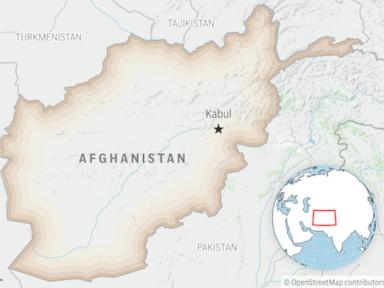
Around 10 a.m. local time on November 28, 2026, the explosion hit near a middle school in Andarsir on the outskirts of Asadabad, Kunar's provincial capital. Local reports and provincial officials point to a house next to the school where blasting materials tied to mining or rock-clearing work were being handled or stored. Part of a school building collapsed, nearby homes took damage, and residents rushed alongside rescue crews to pull victims out as vehicles carried wounded students toward hospitals.
If you've read multiple reports today, you've probably noticed the numbers don't match cleanly. One set of figures puts the injured at 97, while Taliban Interior Ministry spokesperson Abdul Mateen Qani cited up to 99 injured alongside seven killed, and separate local reporting cited higher preliminary hospital tallies earlier in the day.
That isn't necessarily someone lying. In a fast-moving blast inside a steep mountain valley, early counts split between walk-in clinics, provincial hospitals, and regional referral centers like Nangarhar Regional Hospital. People with minor cuts or shock get treated and sent home within hours, while serious cases stay admitted or get transferred. Treating an early casualty figure as a frozen, final ledger is a mistake you see in breaking news every week.
Why Mining and Rock Blasting Collide With Schools
Kunar sits in rugged terrain bordering Pakistan's Khyber Pakhtunkhwa province, where steep valleys and limited road infrastructure shape almost every economic choice. Mining and rock removal play a huge role in local livelihoods, from gemstone extraction that has grown in Kunar to stone and mineral operations across eastern Afghanistan and work along routes like the Kunar-Nuristan corridor.
Here's the uncomfortable reality on the ground. Blasting agents and detonators require strict separation from homes, schools, and crowded streets, plus trained handling and secure magazines. When operations run on thin margins, weak oversight, or informal shortcuts, explosives end up stored or prepped in makeshift spaces—including residential buildings right next to places where hundreds of children gather every morning.
In theory, safety rules and licensing exist on paper. In practice, enforcement in remote or fast-growing extractive areas often lags far behind commercial activity. A house next to a school isn't engineered to absorb a secondary detonation, and neither are classrooms built for shockwaves and flying debris.
How This Differs From Deliberate School Attacks
People naturally lump every school blast in Afghanistan into the same bucket. That's a mistake if you want to understand the risk.
Deliberate attacks on schools and educational centers—such as the August 2026 blast in Kabul that injured dozens of children, or earlier attacks on classrooms and student hubs documented by the United Nations and UNICEF Afghanistan—are driven by targeted violence against civilians and learning spaces. Those events follow security, militant, and protection patterns of their own.
An accidental explosion linked to mining explosives is a different beast. There's no ideological motive behind a blasting cap going off early or unstable material detonating in a side room. Yet the human cost on the ground looks painfully similar: shattered glass, collapsed walls, terrified kids running into the street, and hospitals overwhelmed all at once.
Whether a child is hurt by a deliberate strike or a botched explosives prep next door, the classroom stops feeling safe. That distinction matters for policy and prevention, even when the trauma feels identical to parents.
What Afghan Education Faces Beyond Today's Headlines
This tragedy lands on top of a fragile education system that was already stretched thin. Agencies like UNICEF and UNESCO have repeatedly warned that large numbers of children in Afghanistan remain outside formal schooling, while restrictions on girls' education and women's roles threaten long-term teaching and healthcare capacity.
When a middle school in Kunar gets rocked by a blast, the damage goes way past broken windows. Families lose trust in local safety. Teachers and students carry acute stress back into rooms with few counselors or trauma resources. Even kids who walk away without physical wounds can struggle to focus or sit still for months.
You can't separate school safety from basic neighborhood regulation. If heavy industrial materials—especially explosives—are allowed anywhere near schools and homes, every workday carries a built-in gamble with children's lives.
Practical Next Steps for Tracking and Supporting Response
If you're following this story, researching child protection in conflict-affected zones, or looking for ways to help constructively, focus on steps that actually hold up:
- Track verified casualty and investigation updates: Watch official statements from local authorities alongside major wire services and humanitarian monitors over the next several days as hospital counts stabilize and investigators clarify exact ownership and storage of the explosives.
- Separate incident types in your notes or reporting: Clearly distinguish accidental industrial or mining-related blasts from targeted attacks when analyzing trends in school safety, so prevention measures match the real cause.
- Support established humanitarian channels: If you want to contribute financially, stick with vetted organizations operating in Afghanistan—such as UNICEF or recognized emergency medical and education groups—rather than unverified social media fundraisers.
- Push for strict buffer zones around schools: In any community dealing with quarrying, construction, or mining, basic distance rules and secure storage away from schools and homes are the cheapest, most effective way to prevent accidental blasts before they happen.