Pakistan deploys troops in Saudi Arabia once again as cross-border drone and missile fire tests Gulf security. Honestly, if you treat this move like a routine guard swap, you're missing what changed in 2026. This isn't just another bilateral favor between Riyadh and Islamabad. It's the sharpest test yet of a brand-new trilateral defense pact that pulls Turkey into the equation too.
Short headlines like "Pakistan deploys troops in Saudi Arabia, army says" give you the skeleton of the story, not the nerves behind it. Pakistan's military press wing, Inter-Services Public Relations (ISPR), confirmed the troop movement following a formal send-off ceremony attended by Defense Minister Khawaja Muhammad Asif and Saudi Ambassador Dr. Rajeh Tami Albugami. Troops are heading to the Kingdom under existing defense commitments and agreed security frameworks. At the same time, officials point to escalating Houthi strikes targeting Saudi territory and infrastructure.
When you cover Gulf security from the outside, it's easy to confuse ceremonial diplomacy with actual deterrence. Let's be blunt. Sending boots into Saudi Arabia carries real military risk, political sensitivity at home in Pakistan, and high stakes for oil markets and regional stability.
Why Pakistan Deploys Troops in Saudi Arabia Amid Rising Attacks
You don't hold a high-profile send-off ceremony with your defense minister and the Saudi ambassador unless you want the message heard loud and clear. According to reporting from Arab News, Al-Monitor, and the Associated Press, the deployment follows closely on the heels of defense and foreign ministers from Saudi Arabia, Pakistan, and Turkey meeting in Islamabad under their trilateral defense framework.
What makes this moment different from earlier decades? Volume and velocity of asymmetric threats. Drone swarms, ballistic missiles, and maritime or energy-site targeting have turned border and infrastructure defense into a round-the-clock air-and-ground problem. Saudi air defenses have intercepted incoming drones and missiles aimed toward Riyadh and key sites, while regional governments scramble to keep civilian infrastructure and trade lanes protected.
I've watched Gulf defense headlines for years, and one pattern repeats whenever missiles fly. Gulf states have plenty of money and high-end hardware, yet manpower and battle-tested ground experience remain scarce assets. Pakistan brings a massive standing military, deep familiarity with Saudi bases and training environments, and a long-standing political pledge to help protect the Kingdom and the sanctity of the Two Holy Mosques.
What The Mecca Pact Actually Changes
You can't read this deployment without looking at the Mecca Joint Defense Agreement signed in August 2026 by Saudi Arabia, Pakistan, and Turkey. The agreement binds the three countries for 10 years, establishes a secretariat in Saudi Arabia led by retired Pakistani General Nauman Mahmood as its first secretary-general, and frames an attack on one member as an attack on all.
That sounds sweeping on paper. In practice, mutual defense clauses always come with fine print and political friction. No sovereign government hands over automatic war powers to a committee without protecting its own room to maneuver. Even so, having a trilateral secretariat and a formal 10-year commitment turns ad-hoc military coordination into an institutional habit.
Turkey's involvement adds another layer. Ankara has its own defense-industrial clout, regional ambitions, and diplomatic channels across the Middle East. Bringing Pakistan and Turkey together with Saudi Arabia shows Riyadh trying to diversify its security partnerships rather than relying on a single external patron.
How This Fits Into Pakistan's Bigger 2026 Footprint
If you think this deployment came out of nowhere, look back across 2026. Pakistan's military footprint in Saudi Arabia has been building step by step.
Earlier in the year, reporting pointed to major deployments of Pakistani personnel, aircraft, and defense assets under bilateral defense agreements signed in late 2025, with wider reporting even citing tens of thousands of Pakistani soldiers supporting border security and air-and-drone defense over the course of the year. Fighter jets and air-defense elements also entered the picture in earlier 2026 moves.
Here's the catch people often miss. Basic news wires often leave exact troop counts undisclosed or treat each announcement as a standalone event. In reality, governments rarely publish real-time operational headcounts for sensitive deployments, and figures circulating in reports can reflect rotations, earlier surges, or specific mission tranches rather than one single day's convoy.
The Tightrope Between Riyadh and Tehran
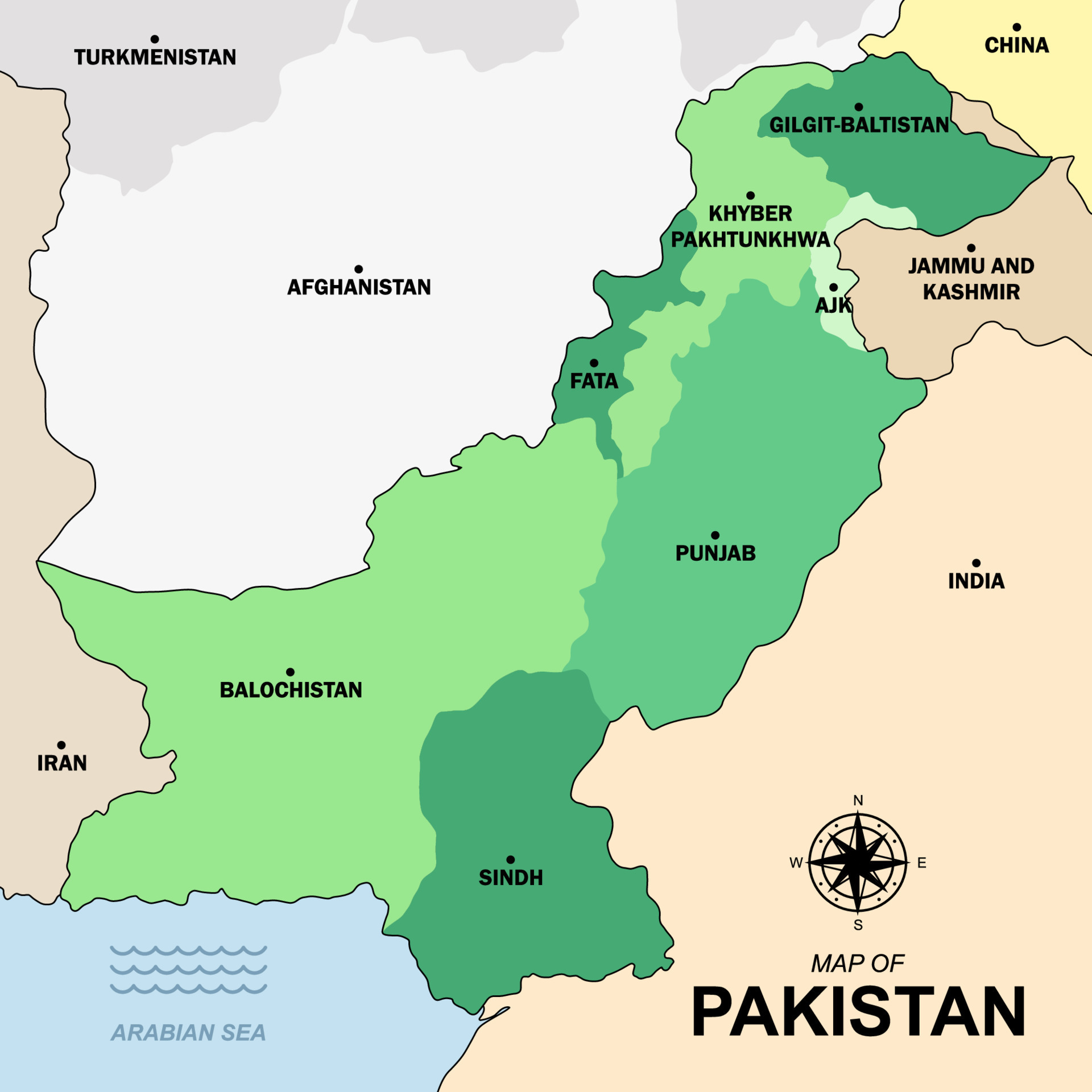
Pakistan walks a razor-thin geopolitical wire here. It has deep historic, religious, and financial ties with Saudi Arabia. It also shares a long border with Iran, faces internal security pressures along its western frontier, and relies on careful diplomacy to avoid getting dragged into a wider regional war.
Defense analysts have pointed out for months that Islamabad wants to show solidarity with Riyadh without handing a blank check for escalation against neighboring Iran. Every troop movement in the Gulf tests that balance. If Pakistani forces stay focused on defensive roles, border security, and protecting Saudi territory from Houthi attacks, Islamabad can defend the move as containment and deterrence. If cross-border strikes widen, keeping that boundary intact gets way harder.
Common Misconceptions About Pakistani Troops in Saudi Arabia
Let's clear up a few things that trip people up every time this story trends.
- Myth 1: This is brand new. Not really. Pakistani military personnel have trained, advised, and served in Saudi Arabia for decades under bilateral defense agreements. What's new is the heightened threat environment and the trilateral Mecca pact backdrop.
- Myth 2: Every deployment means active frontline offensive combat. Sending troops can mean training, base security, border monitoring, technical support, or air-and-missile defense roles. Unless officials state otherwise, don't assume offensive ground combat.
- Myth 3: Economic ties have nothing to do with it. Come on. Security and economics in the Gulf are welded together. Remittances, investment, energy prices, and diplomatic backing all move in the same orbit when regional tension spikes.
What This Means If You Track Markets, Travel, or Regional News
You don't need a war-room briefing to read the practical signals here. Keep an eye on a few concrete indicators over the coming weeks:
- Follow official ISPR and Riyadh readouts, not rumor threads. Social media loves inflating troop numbers or inventing combat claims within minutes of an announcement. Stick to verified outlets like Al Jazeera, Reuters, and the Associated Press.
- Watch drone and missile interception patterns. Troop movements matter most when paired with real-time security shifts around Saudi energy infrastructure, Red Sea routes, and major cities.
- Check travel advisories and airline schedules before booking Gulf flights. Regional airspace disruptions, temporary reroutings, or flight suspensions can pop up fast during heightened security alerts.
- Look at trilateral follow-through, not just summits. High-level meetings in Islamabad sound dramatic, but the real test of the Mecca pact is how the Riyadh secretariat coordinates logistics, intelligence, and joint responses when the next attack hits.
A troop deployment doesn't solve a regional missile-and-drone conflict on its own. It buys time, signals resolve, and shifts pressure onto rival planners. Watch what happens next on the ground and in diplomatic backchannels—that's where the real story plays out.