Rodrigo Duterte facing an ICC trial over drug war killings marks a seismic shift for international justice in Asia. For years, strongmen in the region assumed national borders and loud populism would shield them from a courtroom in The Hague. That assumption just broke.
On November 30, 2026, trial hearings open before Trial Chamber III of the International Criminal Court in the case The Prosecutor v. Rodrigo Roa Duterte. At 81 years old, Duterte isn't just another former leader answering for domestic policy. He's the first Asian head of state to stand trial before the ICC over allegations tied to a state-backed anti-drug campaign that left thousands dead.
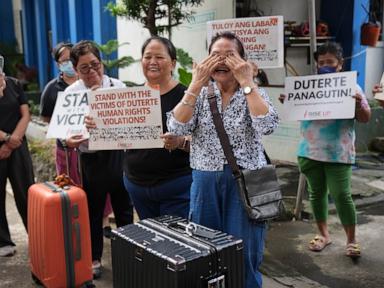
Families who spent years burying sons, husbands, and brothers in poorly lit alleys or unmarked graves are finally getting a formal venue to be heard. Yet anyone expecting an instant, tidy reckoning is fooling themselves. International criminal trials move slowly, legal defenses are fierce, and justice back home in the Philippines remains painfully uneven.
What Rodrigo Duterte Is Actually Charged With in The Hague
Honestly, people often confuse public outrage over the drug war with the exact legal charges on the docket. Judges at the ICC don't convict someone based on fiery campaign speeches alone, no matter how brutal those speeches sounded.
Pre-Trial Chamber I unanimously confirmed three counts of crimes against humanity involving murder and attempted murder, committed as part of an alleged widespread and systematic attack against a civilian population between November 1, 2011, and March 16, 2019. Prosecutors allege Duterte acted as an indirect co-perpetrator.
Those three counts aren't lumped into one giant blur. They span distinct chapters of his rise and rule:
- Davao City roots: Alleged murders carried out while Duterte served as mayor of Davao City, linked by prosecutors to the so-called Davao Death Squad targeting suspected drug dealers and users.
- Presidential crackdown: Alleged targeted killings between 2016 and 2017 after Duterte entered Malacañang and scaled up aggressive anti-drug operations nationwide.
- Clearance operations: Alleged murders and attempted murders during police "clearance operations" between 2016 and 2018.
In the charging documents, prosecutors list 84 murders and two attempted murders as a representative sample rather than the full tally of deaths. Think about that for a second. Even a carefully curated sample of cases is heavy enough to anchor a major crimes-against-humanity trial, while broader estimates of drug war deaths from human rights groups and researchers run into the thousands.
Why Families Still Fight for Justice After All These Years
For grieving families in Manila, Davao, and across the archipelago, the trial isn't abstract international law. It's personal. Many spent years navigating police reports that read like copy-paste scripts, claiming suspects "fought back" during raids.
I've followed accountability efforts in post-conflict and post-crackdown settings long enough to know the biggest trap families face. Hope rises fast when big headlines hit, then crashes when court filings drag on for months. A courtroom in The Hague can establish individual criminal liability and give victims a voice through legal representatives, yet it can't bring back a breadwinner or erase years of stigma slapped on families whose loved ones were labeled addicts without trial.
As Amnesty International has emphasized ahead of the trial, domestic accountability in the Philippines has lagged far behind international proceedings. Even as Duterte faces judges in the Netherlands, victims' advocates warn that local prosecutions of officers on the ground remain slow and incomplete.
How We Got Here From Manila to The Hague
A few years ago, plenty of observers thought the Philippines had permanently closed the door on the ICC. Duterte pulled the country out of the Rome Statute in 2019, arguing the court lacked jurisdiction and infringed on national sovereignty.
Turns out, walking away from a treaty doesn't erase crimes allegedly committed while a state was a party to it. The ICC's Appeals Chamber upheld jurisdiction over the Philippine situation, clearing the legal path for proceedings to move forward.
Then came the dramatic turn of events. Following an arrest warrant issued by Pre-Trial Chamber I in March 2025, Duterte was arrested in the Philippines and surrendered to the ICC, appearing before the court in the Netherlands. Medical assessments and fitness challenges delayed the process for a stretch—the defense argued he wasn't fit to stand trial—before judges ruled in January 2026 that he was fit to participate in pre-trial proceedings. In February 2026, the confirmation of charges hearing went ahead even after Duterte waived his right to attend in person, leading to the April 23, 2026 decision confirming all three counts and committing him to Trial Chamber III.
The Wider Network Named by Prosecutors
Duterte sits as the sole defendant in the dock opening this week, yet prosecutors haven't painted him as a lone actor. Redacted charging material made public in February 2026 identified eight alleged co-perpetrators who prosecutors say helped plan and execute the killings across Duterte's time as mayor and president.
One name stands out in particular. In May 2026, the ICC unsealed an arrest warrant—originally issued under seal in November 2025—for former Philippine National Police chief and Senator Ronald "Bato" dela Rosa, who remained at large.
That detail matters enormously. Drug war operations relied on chains of command, local police stations, intelligence lists, and political cover. Putting one former leader on trial while co-perpetrators remain free or outside custody shows the gap between issuing a warrant and enforcing it across borders.
Big Misconceptions About This Trial
Plenty of hot takes on social media get the basics wrong. Let's clear up three common misunderstandings right now.
1. The ICC does not sentence people to death
Even if Duterte is convicted at the end of a long trial, there's no capital punishment at the ICC. The court imposes prison sentences—up to 30 years, or life imprisonment in extreme cases when justified by gravity and individual circumstances—alongside potential reparations orders for victims.
2. This is not a verdict on every single drug war death
Prosecutors don't need to prove every single killing across a decade to win a conviction on crimes against humanity. Instead, they must prove beyond a reasonable doubt that the charged offenses occurred as part of a widespread or systematic attack directed against a civilian population, with knowledge of that attack.
3. Defense lawyers aren't going to roll over
Duterte's defense team—now led by British King's Counsel Peter Haynes alongside associate counsel Kate Gibson—has every incentive to challenge witness credibility, command links, and evidentiary chains. Expect tough cross-examination, procedural motions, and sharp disputes over whether alleged abuses were rogue police acts or a coordinated policy.
What to Watch When Hearings Begin
If you're tracking the trial day to day, ignore the noise and watch four concrete things.
First, pay attention to witness testimony. Prosecutors plan to call around 100 witnesses across daily four-hour sittings. Insider accounts from former officials or police figures often carry different weight than outside reports, and defense lawyers will test every memory and motive.
Second, watch how victim participation plays out. Under ICC rules, victims aren't just spectators; through common legal representatives, they can present views and concerns when their personal interests are affected.
Third, track domestic politics in Manila. How Philippine authorities respond to warrants, diplomatic pressure, and public sentiment will shape whether accountability stays alive at home or stalls again.
Fourth, keep an eye on the timeline. Trials at this scale rarely wrap up in a few weeks. Motions, exhibits, and witness schedules can stretch proceedings across many months.
Practical Next Steps for Following or Supporting Accountability
If you want to stay informed or support credible human rights work without falling for rumor mills, take a few practical steps:
- Read primary court releases first: Check official updates and case documents directly on the International Criminal Court website before sharing claims about rulings or witness statements.
- Track independent human rights reporting: Follow documented investigations from established organizations like Human Rights Watch and Amnesty International to separate verified patterns from political spin.
- Support victim-centered legal and relief groups: If you want to help families affected by drug war violence, look into vetted legal aid and community support initiatives operating in the Philippines rather than unverified online fundraisers.
- Watch the full arc, not just opening day: Opening statements set the stage, but real evidentiary battles happen during witness examination and closing briefs months down the road.