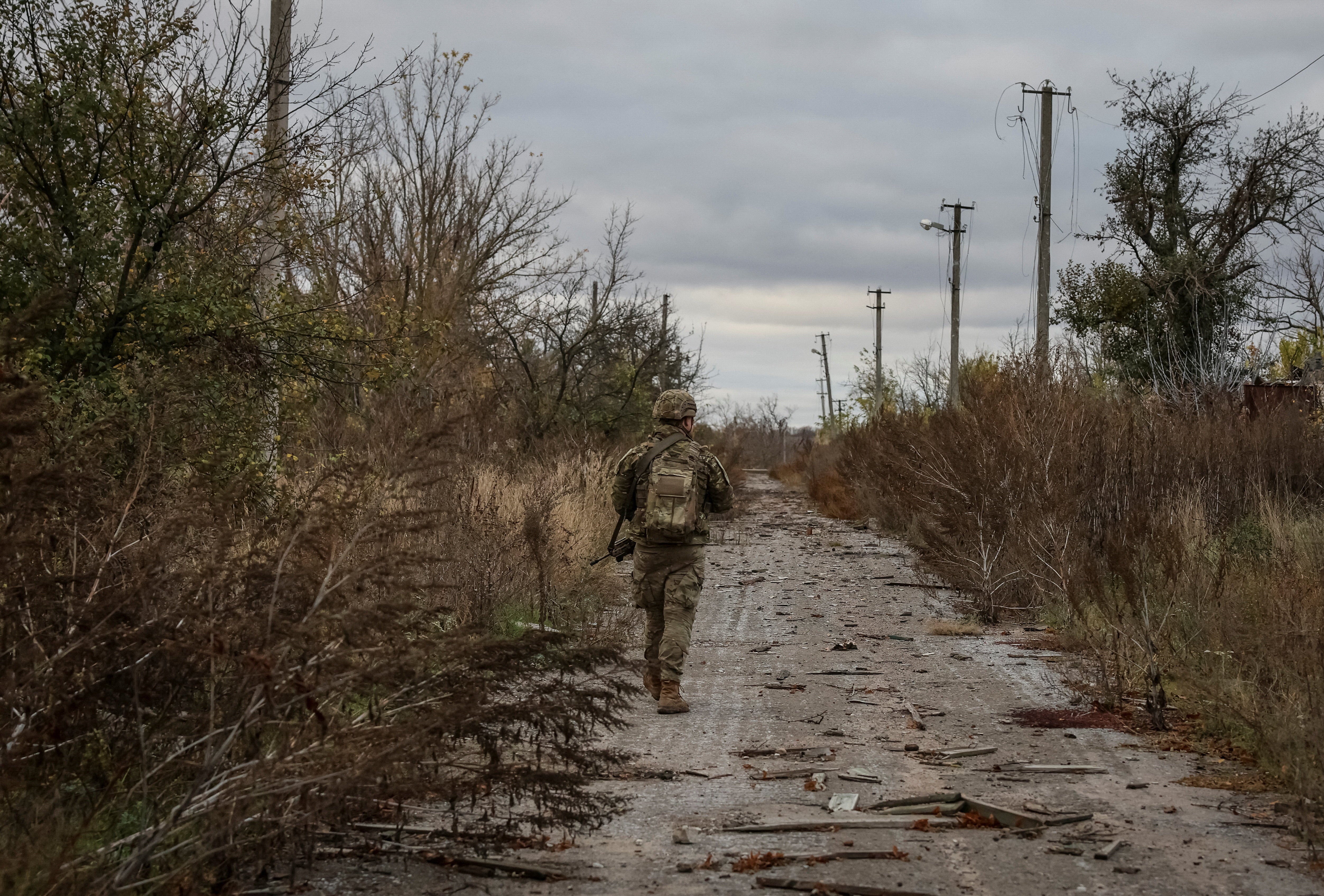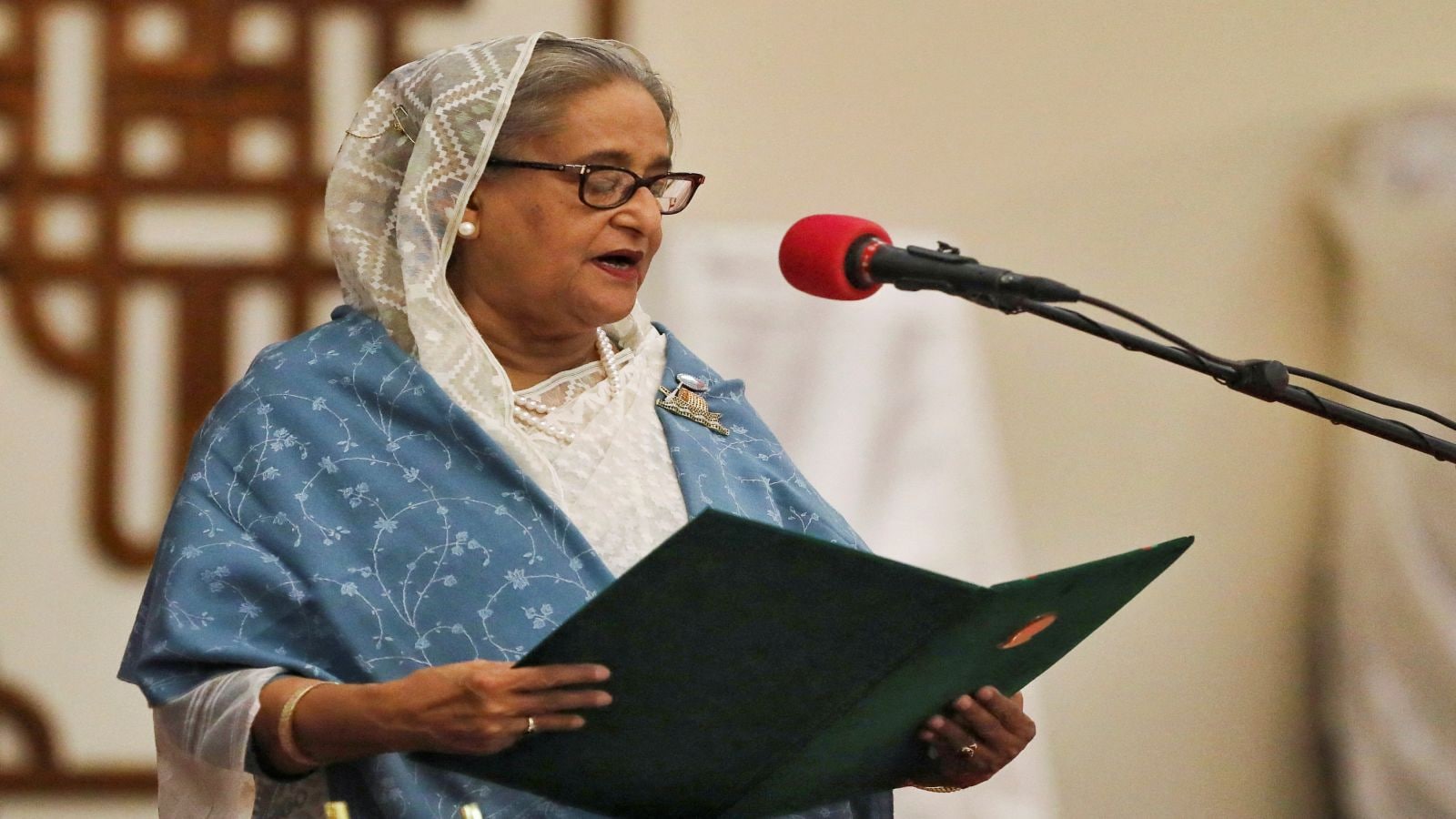
Two people are dead and scores more are hurt in Bangladesh after clashes broke out between supporters of ousted Prime Minister Sheikh Hasina and rival groups ahead of her announced plan to end her exile in India.
That's the immediate headline, and it's already triggering panic across Dhaka, Gopalganj, and Shariatpur. Yet a straight wire summary misses what is actually driving this explosion.
Sheikh Hasina hasn't landed in Dhaka. She hasn't even secured a travel document or an agreed flight path. Still, her vow to return on December 16—Bangladesh's Victory Day—has acted like a match thrown into dry grass.
Followers of her banned Awami League have staged nationwide lock-downs, blocked major highways and bridge approaches, clashed with activists tied to Prime Minister Tarique Rahman's governing Bangladesh Nationalist Party (BNP), and turned ordinary commutes into flashpoints. In Shariatpur's Zajira area, clashes near the Padma Bridge corridor killed one person amid Molotov cocktail exchanges and road blockades, while violence in Gopalganj—Hasina's political heartland—saw machete-wielding crowds, shuttered shops, and heavy paramilitary deployments. Further reporting by TIME delves into related views on this issue.
When you track South Asian politics closely, you learn to look past bravado and focus on leverage. Here, two collision courses are converging at once. First, a political movement fighting for survival after being barred from elections and banned from operating openly. Second, a newly elected government determined to show that the old order won't walk back into power unchallenged.
How Sheikh Hasina's Return Plan Ignited Fresh Violence
If you only read short breaking-news dispatches, you might think Hasina simply gave a speech and crowds spontaneously erupted. That's not how mobilization works on the ground in Bangladesh.
According to conflict monitoring data from ACLED, political-party violence in November hit its highest level since August 2024, when student-led mass protests toppled Hasina's 15-year rule and sent her into exile in India. ACLED's data through November 23 recorded 40 demonstrations and more than 140 riots linked to Awami League mobilization—by far the party's biggest push since her ouster.
The timing wasn't accidental. Earlier in November, Hasina's lawyers sought a replacement passport and identity documents so she could travel back in December. Authorities rejected that bid, maintaining she could only return through formal extradition. Then, on November 24, Hasina's camp set a concrete date—December 16, Victory Day—and called on Dhaka to arrange her transport from Delhi aboard national carrier Biman Bangladesh Airlines.
Picking December 16 is pure political theater. Victory Day commemorates Bangladesh's 1971 independence from Pakistan, a history deeply tied to Hasina's father, Sheikh Mujibur Rahman. By tying her return to that date, Hasina's supporters are trying to reframe an exiled leader facing a death sentence as a patriotic figure reclaiming her rightful place.
On the streets, though, symbolism quickly turns into disruption. Road blockades around the Padma Bridge corridor cut off key links between southern districts and Dhaka, while arson, crude bomb blasts, and clashes with BNP supporters have left commuters stranded and families locking their doors. Even infrastructure beyond party headquarters has taken hits, with reports of damage to police vehicles, local stations, and bank branches over recent weeks.
Why Dhaka and New Delhi Are Stuck in a Legal Stand-Off
Anyone watching this crisis wonders a basic question: can Hasina actually get on a plane to Dhaka on December 16?
Right now, the legal and diplomatic odds look steep. Following her ouster in August 2024 and an 18-month interim period led by Muhammad Yunus, Bangladesh held elections in February 2026 in which Tarique Rahman's BNP won power while Awami League activities remained banned. Hasina was convicted and sentenced to death in absentia by a tribunal over the deadly crackdown during the 2024 uprising—a verdict she rejects.
Dhaka's message has been blunt. Prime Minister Rahman's press secretary, Abu Abdullah M Saleh, has stated that the government's position is clear: Hasina is a convict sought through extradition. Junior Foreign Affairs Minister Humaiun Kobir went even further in remarks reported by wire services, saying she could return only "in handcuffs or under strict surveillance," while Home Minister Salahuddin Ahmed has emphasized that any return hinges on the bilateral extradition treaty and legal review.
Meanwhile, India sits in a tricky spot. Hasina has been living in India since fleeing in August 2024. Indian officials have noted that a voluntary return plan is separate from Dhaka's formal extradition request, which New Delhi reviews under its own laws and treaty obligations. Without Indian clearance, official cooperation from Dhaka, or travel documents, a December 16 arrival looks far more like a political rallying cry than a confirmed itinerary.
Still, you shouldn't dismiss the announcement just because logistics are messy. In South Asian politics, an announced return date serves a purpose even if the flight never takes off. It tests street loyalty, pressures rival parties, puts heat on New Delhi, and keeps a banned party relevant in national headlines.
What People Get Wrong About Bangladesh's Unrest
When violent headlines break out in a country with a history of political turmoil, outsiders tend to flatten the story into a simple script. That's a mistake here.
Misconception 1. This is just a replay of the 2024 uprising
It isn't. The 2024 mass protests were a broad, student-led movement against Hasina's 15-year rule. What's happening in late November 2026 is a power struggle between a governing BNP coalition, a resurgent opposition landscape that includes Jamaat-e-Islami after the February vote, and an outlawed Awami League trying to claw back influence from outside the system. Calling every clash a "revolution" blurs who is fighting and why.
Misconception 2. Street protests automatically mean the government is about to fall
Protests and highway blockades can cause real pain, especially around vital arteries like the Padma Bridge route or in stronghold districts like Gopalganj. Yet street noise doesn't equal state collapse on its own. Security forces—including Border Guard Bangladesh platoons in hotspots—have been deployed to contain flashpoints, and the government holds formal state machinery. The real risk is slower erosion: investor nerves, disrupted trade, and everyday law-and-order strain.
Misconception 3. Politics is the only pressure point on Dhaka
Honestly, if you ignore the economic and institutional backdrop, you miss half the story. An analysis from the S. Rajaratnam School of International Studies (RSIS) highlights how Rahman's government entered office facing deep banking-sector bad loans, sticky inflation, job pressures, and fragile public trust after months of transition. Political unrest hits hardest when households and businesses are already stretched thin.
Lessons From Covering and Tracking South Asian Flashpoints
Having followed South Asian political crises over the years, one pattern stands out every time tensions spike ahead of a symbolic date: rumors move faster than facts, and local grievances get folded into national slogans.
In my experience tracking unrest in the region, three practical rules separate clear-eyed readers from people caught off guard:
- Separate announcements from confirmed movement. A politician naming a date on social media or through a spokesperson is a statement of intent, not proof of border crossing or flight clearance.
- Watch transport corridors and local strongholds first. Flashpoints in places like Gopalganj or along expressway links like Zajira signal how far disruption is spreading beyond Dhaka press briefings.
- Check multiple wire and local sources. Early casualty counts and blame for specific attacks often shift as police and local reporters verify details on the ground.
A common mistake readers make during fast-moving lock-downs is treating an unverified social media post about curfews, arrests, or border closures as settled fact. Wait for confirmation from established outlets like Al Jazeera, AP News, or The Guardian before acting on travel or business plans.
Practical Next Steps If You Are Watching or Traveling
Whether you follow Bangladesh for regional affairs, business operations, family ties, or travel, keep your focus on concrete indicators over the next two weeks leading up to December 16:
- Track official extradition and diplomatic updates. Watch whether Dhaka and New Delhi issue any formal move on the extradition request or travel documents, since those legal steps—not street rallies—determine Hasina's actual entry status.
- Monitor highway, rail, and ferry advisories. If you have logistics or travel tied to Dhaka, Gopalganj, Shariatpur, or southern routes, verify real-time transport status daily, as blockades and strikes can shut corridors with little warning.
- Verify casualty and incident claims carefully. Rely on corroborated reporting from established newsrooms and conflict trackers rather than partisan social media claims during active lock-downs.