Rocket parts don't care about borders. When a SpaceX Super Heavy booster broke apart over the Gulf of Mexico on November 13, 2026, during Starship's 15th test flight, ocean currents eventually carried suspected debris south toward Mexican shores. Now Mexico is pushing for formal talks with the United States over rocket debris, airspace permissions, and how fast launches near the border can scale.
That push shows how quickly commercial spaceflight has turned a regional engineering test into a cross-border diplomatic headache. Starbase sits in Cameron County, Texas, right next to the Rio Grande and just north of Tamaulipas. Playa Bagdad in Matamoros sits a short stretch south of the line. When hardware fails or breaks up nearby, what happens in the sky and on the beach stops being abstract.
Al Jazeera's coverage highlights the clash between Mexico City and Elon Musk's SpaceX as launch activity ramps up in South Texas. Look closer, though, and the story isn't just about one beach cleanup or one test flight. It's about who controls airspace near a busy frontier, how debris gets counted and verified, and what happens if launch cadence climbs toward hundreds of flights a year.
What Triggered Mexico's Push For Talks With Washington
President Claudia Sheinbaum said on November 26 that Mexico is working through the U.S. Embassy to set up a meeting between U.S. and Mexican aviation or space authorities. Her goal isn't small talk. Mexico wants clear rules on permission to use Mexican airspace, limits on how often launches happen, and a look at whether launch operations might even need to relocate if necessary.
Sheinbaum pointed to SpaceX's long-range ambition of roughly 400 flights a year. Think about that number for a second. Even a fraction of that cadence right next to an international border changes how air traffic, coastal patrols, and local communities experience rocket activity.
Earlier in the summer, Sheinbaum had talked about possible legal steps before holding off on a lawsuit in favor of negotiations. That shift matters. Suing a private company takes years and gets bogged down in jurisdiction fights. Going to Washington puts the issue straight onto a government-to-government track where aviation oversight, trajectories, and border coordination actually live.
Airspace Rules And Border Geography
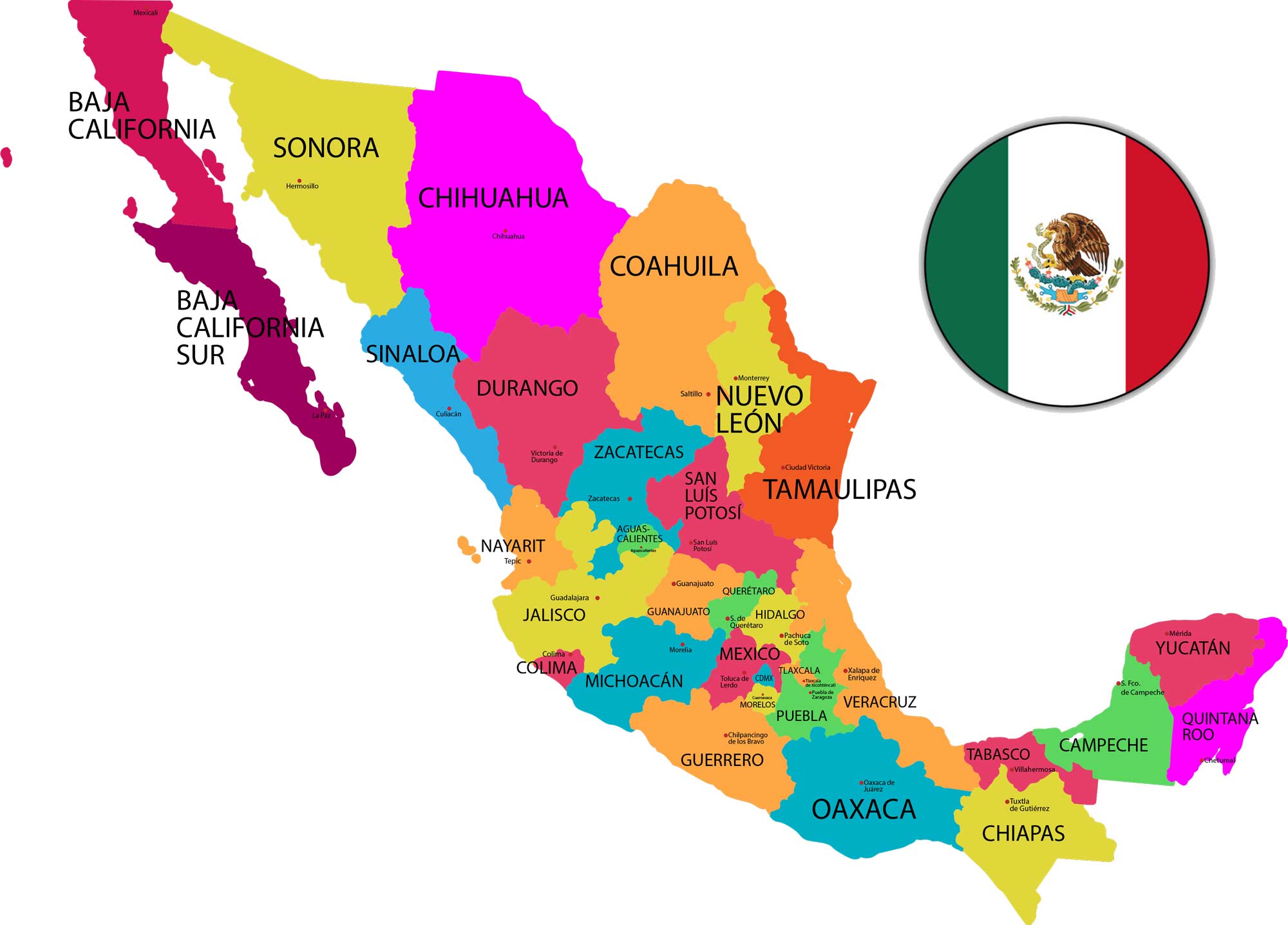
Starbase isn't tucked away on some empty island miles from neighbors. It sits on the southern tip of Texas, a stone's throw from northern Tamaulipas. Rockets rising off the pad, boosters returning or breaking up, and hazard zones in the Gulf all sit uncomfortably close to Mexican territory and airspace.
Mexico has also been building out its own airspace enforcement framework, including rules enacted earlier in 2026 under its Airspace Protection Law that involve defense and air navigation agencies. When a commercial operator scales up flights from a border site, friction over flight corridors, tracking, and safety zones is almost guaranteed unless both governments hash out the boundaries ahead of time.
Debris Counts, Clashing Claims, And Beach Reality
If you read headlines about the aftermath at Playa Bagdad, you'll see numbers that look contradictory at first glance. One report says inspectors collected 5.9 kilograms of waste. Another says an environmental group counted more than 1,500 pieces. Meanwhile, SpaceX says its on-site partners found very few fragments and questions whether the recovered pieces came from its launch.
Why do those numbers sound so different? Because people are measuring different things under messy conditions.
- Weight versus piece count: Five point nine kilograms is a mass measurement reported by Mexico's environmental protection agency, PROFEPA, following collection efforts after the November 13 test. Counting 1,500-plus individual bits—including small rubber, plastic, or adhesive fragments—measures item count, not total weight.
- Rough coastal conditions: High tides, cold-front winds, and tricky beach access slowed collection and made sweeping the shoreline evenly pretty tough.
- Disputed origin: Mexican authorities moved recovered material into custody with the Navy and sought SpaceX's involvement or material details for verification. SpaceX pushed back on attributing the finds to its booster, while also pointing to independent toxicity testing indicating Starship materials don't pose chemical, biological, or toxicological hazards.
Honestly, this is where public trust gets strained fast. When officials, conservationists, and the rocket company give different snapshots of what's lying on the sand, everyday residents and coastal groups start wondering who's checking what.
Why Environmental Groups Are Watching Closely
For local groups like Conibio Global, the worry isn't just theoretical space policy. Playa Bagdad is a coastal environment where wildlife, tides, and human visitors cross paths. Even when a company says its core materials aren't toxic, environmentalists want proof on the ground—and quick cleanup—whenever debris washes up.
There's also a practical safety point PROFEPA has stressed: don't pick up strange fragments yourself. Leave suspected debris where it is and report it so trained teams can document and handle it properly.
Common Mistakes People Make When Following Rocket Debris News
Whenever rocket parts hit the news, a few predictable mix-ups pop up online. Watching out for them saves you from falling for bad info.
- Treating every piece of beach trash as confirmed rocket hardware: Ocean beaches always hold regular marine litter alongside anything unusual. Verification takes inspection and material checks, which is why authorities collect items carefully rather than declaring every scrap a booster part on day one.
- Confusing weight with fragment count: Hearing "nearly 6 kilograms" and "thousands of pieces" in the same week can make it look like someone is lying. Usually, one number is total weight collected by inspectors and the other is a tally of small scattered bits.
- Assuming a lawsuit is the only lever: Political rhetoric often mentions courts first, yet diplomatic talks between aviation and space regulators can set practical rules on flight frequency, coordination, and debris response much more directly.
What To Watch Next Along The Border
This dispute isn't going away overnight because SpaceX's ambitions in South Texas are big and Mexico's domestic stakes are real. Keep an eye on a few concrete developments over the coming weeks and months:
- Whether Washington and Mexico City schedule formal talks: Watch for confirmation from the U.S. Embassy, aviation regulators, or Mexican officials on an actual meeting date and agenda.
- Technical verification of the recovered material: Pay attention to findings from PROFEPA, Mexican naval custody records, and any joint review or material disclosures from SpaceX.
- Clearer rules on launch cadence and airspace: Any concrete agreement—or lack of one—around launch frequency and airspace authorization will tell you whether cross-border spaceflight is getting a durable rulebook or heading for more friction.
If you live near the coast or track Gulf environmental reports, follow official advisories from PROFEPA and check reputable coverage like Al Jazeera for updates as talks take shape. Never touch unfamiliar debris on the shoreline—report what you see to local or environmental authorities and let specialists handle the rest.