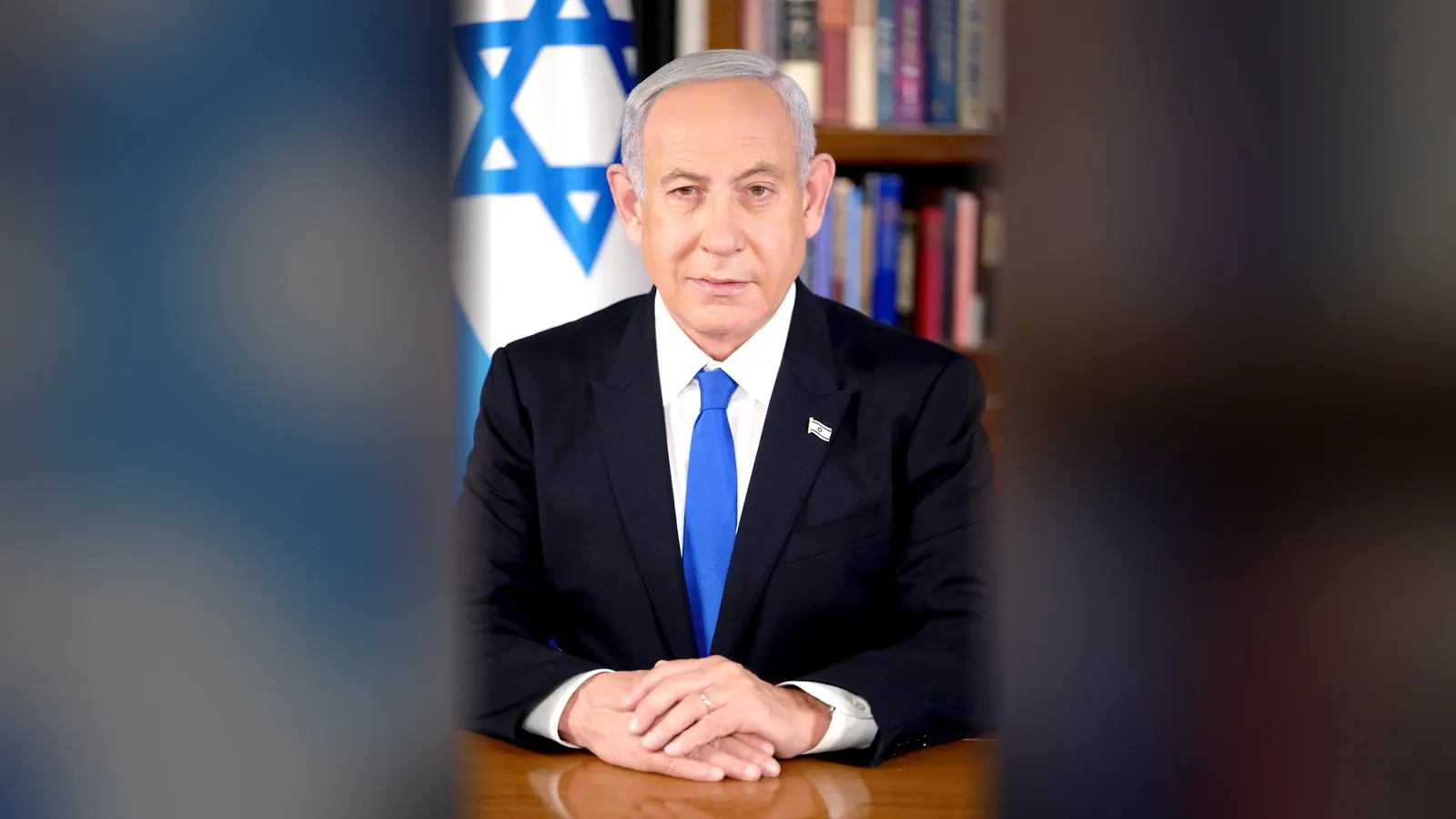
Israeli politics loves a high-stakes cliffhanger, but the latest maneuvers between Benjamin Netanyahu and Yashar party chairman Gadi Eisenkot look less like statecraft and more like a ticking clock.
Negotiations to form a national unity government are kicking off at the Kirya military headquarters in Tel Aviv rather than a hotel in Herzliya. The venue shift matters. Opening with a joint security briefing at IDF headquarters isn't just about convenience; it's a calculated move to anchor political survival right next to military command while existential regional threats loom large.
The Rotation Trap and Hidden Catches
Let's be clear about what happened. Netanyahu threw a political curveball by signaling he'd step aside first in a rotation agreement, letting Eisenkot take the prime minister's chair. For a leader who usually clings to power, it looked like an astonishing concession designed to break apart the opposition bloc that's been actively trying to form a government without Likud.
Eisenkot didn't take the bait blindly. He fired back with a strict 24-hour deadline, demanding serious, accelerated negotiations based on a detailed policy proposal that had apparently sat unanswered in a secret channel for weeks.
The deal is already fracturing over fine print. Reports indicate that Netanyahu attached strings to his rotation offer. He wants to retain control for a specific, unspecified duration to manage a potential security crisis involving Iran before handing over the reins. Eisenkot flatly rejected any such precondition. You can't offer a rotation deal and then try to indefinitely gatekeep the transition timing based on shifting threat horizons.
Trust Deficits and the Cost of Delay
Eisenkot's push for unity isn't coming from a weak place, but his frustration is obvious. For three weeks, his team has tried to engage Likud on core policy guidelines, only to hit walls of evasion. When Eisenkot invited Netanyahu's team to the Dan Accadia Hotel in Herzliya, he was testing whether Likud's sudden willingness to deal was genuine or just a delaying tactic to stave off an alternative opposition government.
Moving the opening meeting to the Kirya changes the optic. It frames the discussions around national security rather than backroom portfolio trades. But if Netanyahu insists on retaining veto power over the timeline of the handover, the talks won't survive the weekend.
Israel doesn't need another political stalemate disguised as a unity partnership. If these negotiations are going to yield a stable government, both sides have to drop the secret conditions and test their cards in the open. Otherwise, this 24-hour ultimatum will just become another chapter in the country's endless political gridlock.