Three leaders walked into a lakeside villa in Shenzhen, shook hands for the cameras, and walked out with a peace declaration. Sounds historic. It is, in a narrow diplomatic sense, because Donald Trump, Xi Jinping, and Vladimir Putin had never sat together in that exact three-way arrangement. Yet if you think the Shenzhen summit suddenly locks in global calm, you're falling for big-room theater.
Real peace takes binding rules, verifiable limits, and compromise on active battlefields. What happened alongside the APEC gathering on November 19, 2026, gave us something different. It gave us a statement of intent, a shared pushback against international courts, and a whole lot of unanswered questions about how three big powers with clashing interests plan to manage a messy world.
What Actually Happened at the Shenzhen Summit
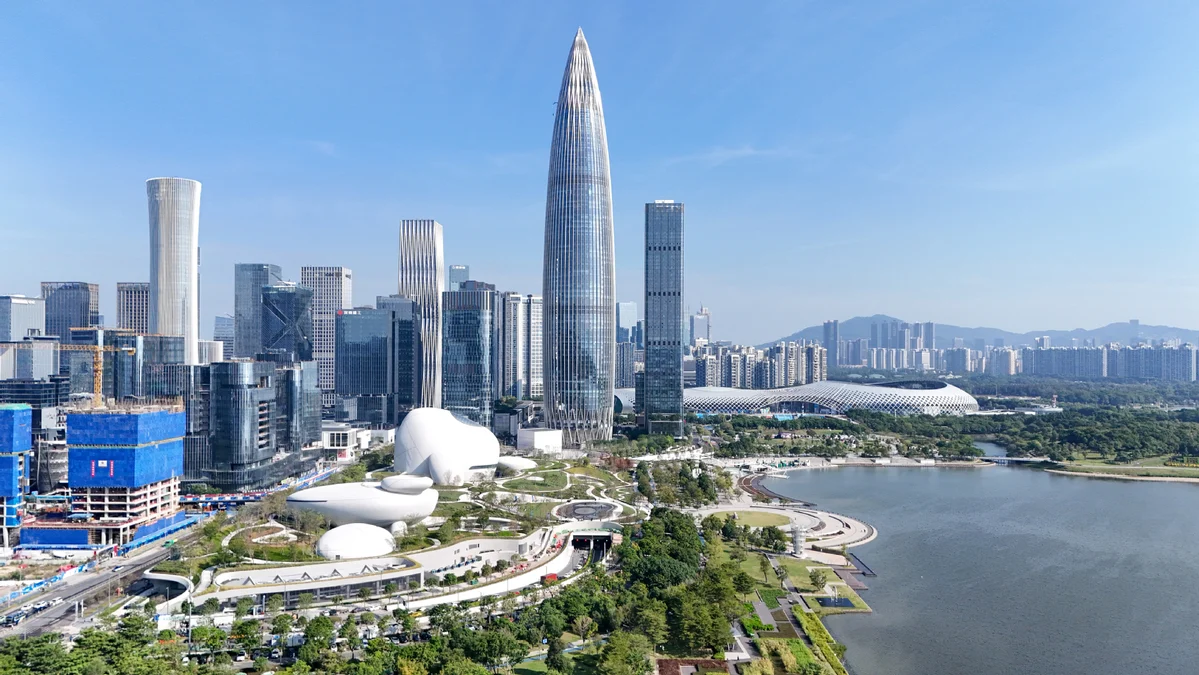
Let's cut through the hype first. Holding the first trilateral meeting of the U.S., China, and Russia on the sidelines of APEC in Shenzhen mattered optically. China picked a tech powerhouse symbol to host the 33rd APEC Economic Leaders' Meeting, and the three presidents issued a "Heads of State Declaration toward Peace".
In that declaration, the three leaders repeated a line we've heard before from nuclear-armed powers: a nuclear war cannot be won and must never be fought. They also pledged dialogue on reducing nuclear risks and preventing proliferation, nodded toward reforming the United Nations, and emphasized stable energy flows. Similar reporting on the subject has been shared by USA.gov.
Trump called the meeting historic and rated it a 12 out of 10 in his NBC remarks afterward. Xi stressed that major power harmony brings peace while clashes bring turmoil. Putin pointed to shared interests in conflict resolution and raised food and energy security.
Sounds neat on paper. Honestly, though, a joint pledge to talk about nuclear risk isn't a treaty. After the New START limits expired in February, nuclear arms control entered murkier territory, and China has long resisted being folded into U.S.-Russia bilateral arms frameworks on equal terms. Saying you want stability is easy. Writing enforceable caps that inspectors can verify is the hard part.
Why the Shenzhen Summit Falls Short on Active Wars
If you watch foreign policy closely, you know the gap between a communiqué and a ceasefire can be wide enough to drive a tank convoy through. That gap showed up right away in Shenzhen.
The peace declaration didn't lay out a roadmap to stop the war in Ukraine or the conflict involving Iran. Even though leaders brought up those flashpoints in conversation—with Trump pressing for movement and Putin talking about converging interests—there was no breakthrough on the ground. Meanwhile, Ukrainian President Volodymyr Zelenskyy warned about any backroom redistribution of spheres of influence and argued that real pressure on Russia requires tough economic leverage.
And look at who wasn't in the villa. European allies have been pressing their own diplomatic track—meeting in Berlin to back Ukraine—while Beijing has repeatedly argued that European security shouldn't be settled without Europeans at the table. When major conflicts involve regional states, allied capitals, and wounded economies, three presidents in a room can't simply decree peace by consensus.
From my vantage point tracking great-power summits over the years, leaders love the word "historic" right after a photo-op. The real test starts three weeks later, when a border drone strike happens, a sanction package gets debated, or an energy shipment hits a snag. A declaration doesn't stop any of those on its own.
The Pushback Against Global Courts and Institutions
One detail in the Shenzhen declaration deserves way more attention than it got in quick headlines. The three leaders backed state consent and official immunities while warning that the International Criminal Court and similar bodies shouldn't abuse their jurisdiction.
Why does that matter? Because none of those three countries is an ICC state party, and Putin faces an ICC arrest warrant tied to the war in Ukraine—a legal reality that has complicated his travel to certain international gatherings. Trump, too, has blasted the court sharply in connection with the summit.
When the U.S., China, and Russia align on curbing international legal bodies, they're sending a clear signal about sovereignty and great-power leeway. Supporters of that stance argue international courts can overreach or get politicized. Critics worry that weakening accountability norms makes it easier for powerful states—or their partners—to brush aside international law when convenient.
Either way, it shows the summit wasn't just about calm waters. It was also about reshaping the rules of the road.
Energy, Tech Rivalry, and Everyday Stakes
What does any of this mean for regular people outside diplomatic circles? Usually, it hits your wallet before it hits your worldview.
Energy markets sit right in the middle of geopolitical friction. Reaffirming stable energy flows is a sensible goal—especially when conflicts in Eastern Europe and the Middle East keep markets jittery—but turning a polite line in a joint statement into reliable supply routes takes real coordination. Different countries have different buyers, pipelines, shipping lanes, and sanctions pressures.
Then there's technology and trade. Hosting APEC in Shenzhen put China's tech ecosystem front and center, even as Washington and Beijing continue wrestling over advanced chips, export rules, and broader economic competition. Leaders can talk about guardrails on artificial intelligence or trade relief in specific pockets, yet commercial rivalry hasn't magically vanished.
A common mistake people make is treating high-level diplomacy as a binary switch—either "war" or "peace." In reality, great powers operate in a gray zone all the time: trading in one sector, competing fiercely in another, and talking crisis management on the side.
What to Watch Next After Shenzhen
Don't judge the Shenzhen summit by the smiles at the podium. Judge it by what happens next:
- Watch the follow-through on nuclear talks. Look for concrete working groups, agenda items, or technical channels rather than recycled slogans.
- Track upcoming multilateral stops. With major gatherings like the G20 ahead, see whether high-level contact turns into actual conflict de-escalation or stays mostly symbolic.
- Pay attention to energy and trade moves. Real shifts show up in shipping insurance, sanctions enforcement, tariff adjustments, and commodity prices—not press releases.
- Notice how allies react. European partners, Indo-Pacific neighbors, and regional states will quickly test whether three-way talk among Washington, Beijing, and Moscow sidelines them or leaves room for broader diplomacy.
The Shenzhen summit opened a conversation that hadn't happened in that exact format before. Talking beats not talking when nuclear powers are involved. Still, safeguarding world peace takes more than a handshake and a declaration—it takes hard compromises nobody in Shenzhen was ready to sign yet.
Will the Shenzhen summit safeguard world peace? | Inside Story
This video panel breaks down the immediate reactions and competing arguments around the Shenzhen summit and its peace declaration.