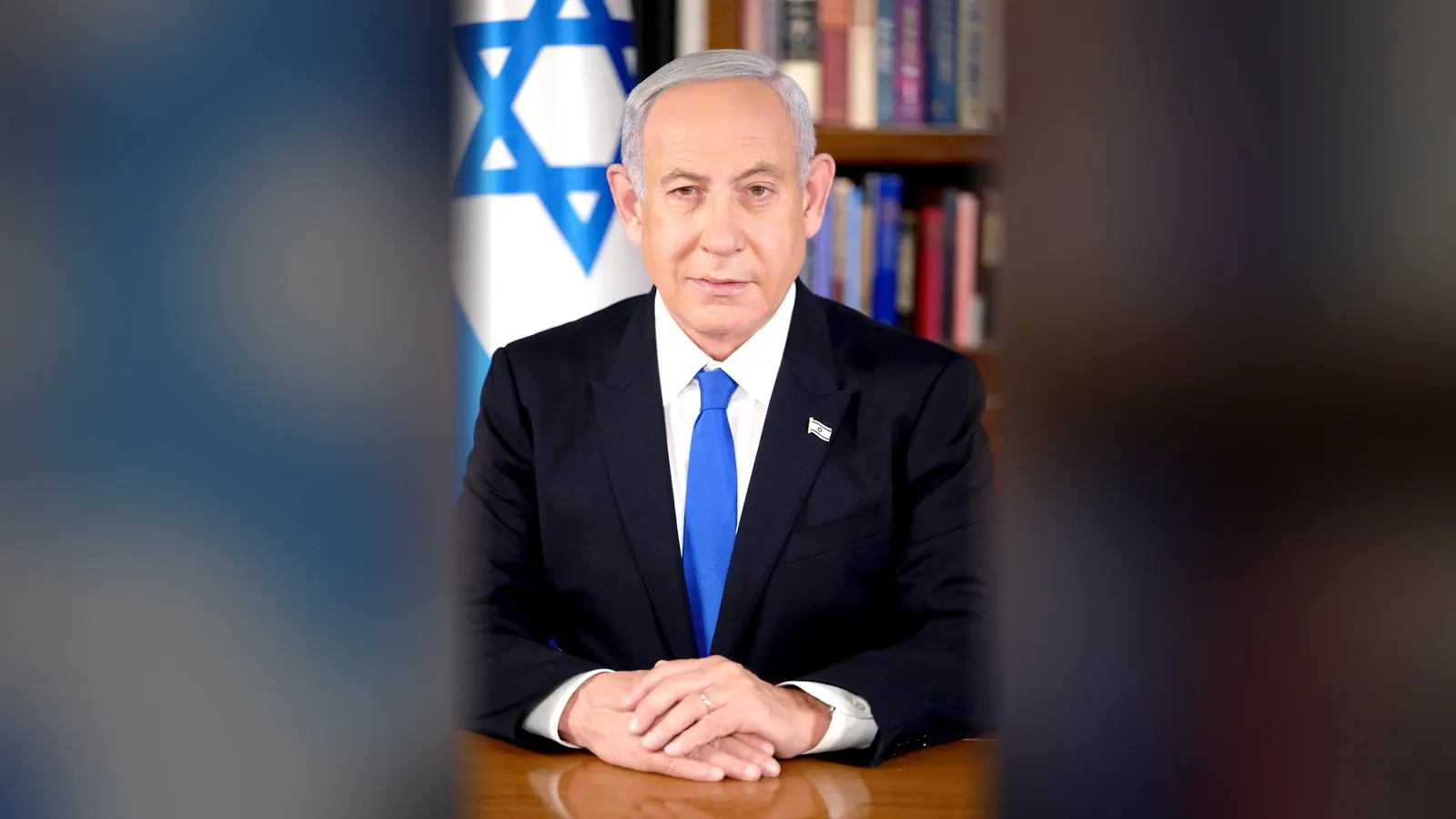
Talks between Gadi Eisenkot and Benjamin Netanyahu always spark headlines in Jerusalem. They also trigger a wave of skepticism from people who watch Israeli coalition politics up close.
Can two leaders with sharply different political instincts and constituencies actually build a stable unity government? Honestly, it's a tough sell. Meetings happen all the time in Israeli politics without turning into lasting coalitions, and high-profile sit-downs often say more about pressure and positioning than genuine consensus.
Because I wasn't able to access the Al Jazeera article directly, I can't confirm every specific detail or quote mentioned in their piece. What I can give you is a clear-eyed look at why talks between Eisenkot and Netanyahu draw so much attention, what usually trips up unity efforts in Israel's parliamentary system, and how readers can separate real political movement from routine maneuvering.
What Readers Actually Want When They Search This Topic
When a headline pairs Gadi Eisenkot and Benjamin Netanyahu, most readers aren't looking for a dry constitutional lecture. They want to know three practical things right away: whether a deal is actually likely, what each side stands to gain or lose, and what a unity government would mean in practice. Further details into this topic are covered by The Washington Post.
In politics, a meeting is just a meeting. Until coalition guidelines, cabinet portfolios, and legislative red lines are put on paper, talk about "unity" remains tentative. Even when leaders share urgent concerns about national security or governing stability, turning those pressures into a durable partnership is another story entirely.
Why Eisenkot and Netanyahu Represent Clashing Political Paths
Eisenkot brings a background rooted in military command and centrist-leaning security policy, having served as chief of staff of the Israel Defense Forces before entering politics. Netanyahu brings decades of experience as Likud's dominant leader and Israel's longest-serving prime minister, skilled at navigating right-wing and religious coalition dynamics.
Put those two profiles in the same room and you immediately see the friction. A unity arrangement usually asks one or both sides to soften positions that keep their core voters loyal. That's where good intentions hit political gravity.
The Core Friction Points in Israeli Coalition Bargaining
Anyone who follows Israeli politics knows that coalitions rarely collapse over a single speech. They stall over concrete trade-offs.
- Cabinet authority and security decision-making: Defense and security portfolios carry real weight, both in policy execution and in public perception. Disagreements over war aims, ceasefire diplomacy, or post-conflict governance can blow up talks fast.
- Judicial and institutional priorities: Battles over courts, legal oversight, and government powers divide Israeli voters deeply. Bridging those gaps requires compromises that hardliners on multiple sides often reject.
- Coalition survival versus party identity: Joining a broad government can give a faction influence, yet it also risks alienating voters who expect strict opposition or firm ideological alignment.
Common Misconceptions About Unity Governments
People outside Israel—and plenty of people inside it—often treat "unity government" as a magic cure for political gridlock. Usually, it's messier than that.
First, unity governments aren't automatically calm or harmonious. Broad coalitions can bring together rivals who barely trust one another, creating internal friction that slows decisions down just when speed matters.
Second, a meeting between prominent figures doesn't guarantee a majority in the Knesset. Numbers still rule Israeli arithmetic. Unless the math works across enough seats—and holds together under stress—talks can stall even if the personal chemistry isn't terrible.
Third, short-term crisis cooperation isn't the same as a long-term governing vision. Leaders sometimes team up during acute strain and part ways once immediate pressures shift.
How Experienced Observers Read High-Stakes Political Talks
If you watch coalition talks long enough, you stop reacting to every leak and start looking at incentives. Rumors travel fast in Jerusalem, and political actors routinely use trial balloons to test public reaction or pressure rival factions.
Here is what actually signals momentum versus noise:
- Concrete policy mechanisms: Look for talks moving past broad slogans into specific agreements on legislation, budget priorities, or decision-making forums.
- Party backing: A leader can sit down for a conversation alone, but a coalition needs broader buy-in from lawmakers and party structures.
- Timing and leverage: Pay attention to what else is happening on the legislative calendar, in public polling, or on the security front. Leverage shifts quickly.
When coverage focuses only on who met whom and for how many hours, it's easy to miss the structural constraints underneath. Watching those constraints tells you far more about whether a deal has legs.
Practical Ways to Follow This Story Without Getting Whiplash
Fast-moving political coverage can leave you feeling like you missed a major turning point when nothing actually changed. You don't need to refresh feeds every ten minutes to stay informed.
- Check multiple reputable outlets: Compare reporting across established news organizations to see which details are confirmed and which are unnamed-source speculation. For background and ongoing coverage, you can browse Al Jazeera alongside major Israeli and international outlets.
- Separate statements from signed commitments: Treat optimistic leaks and polite readouts as early-stage signals until formal coalition agreements or legislative votes back them up.
- Track the Knesset numbers: Keep an eye on seat counts, faction stances, and potential defections rather than relying solely on headline summaries.
Watch what happens after the cameras turn off—that's where real coalition math shows up.