Why Scott Bessent Softened on Jensen Huang Returning to Nvidia
Scott Bessent just cracked the door open for Jensen Huang to come back to Nvidia, and honestly, the shift says more about Washington politics than boardroom governance.
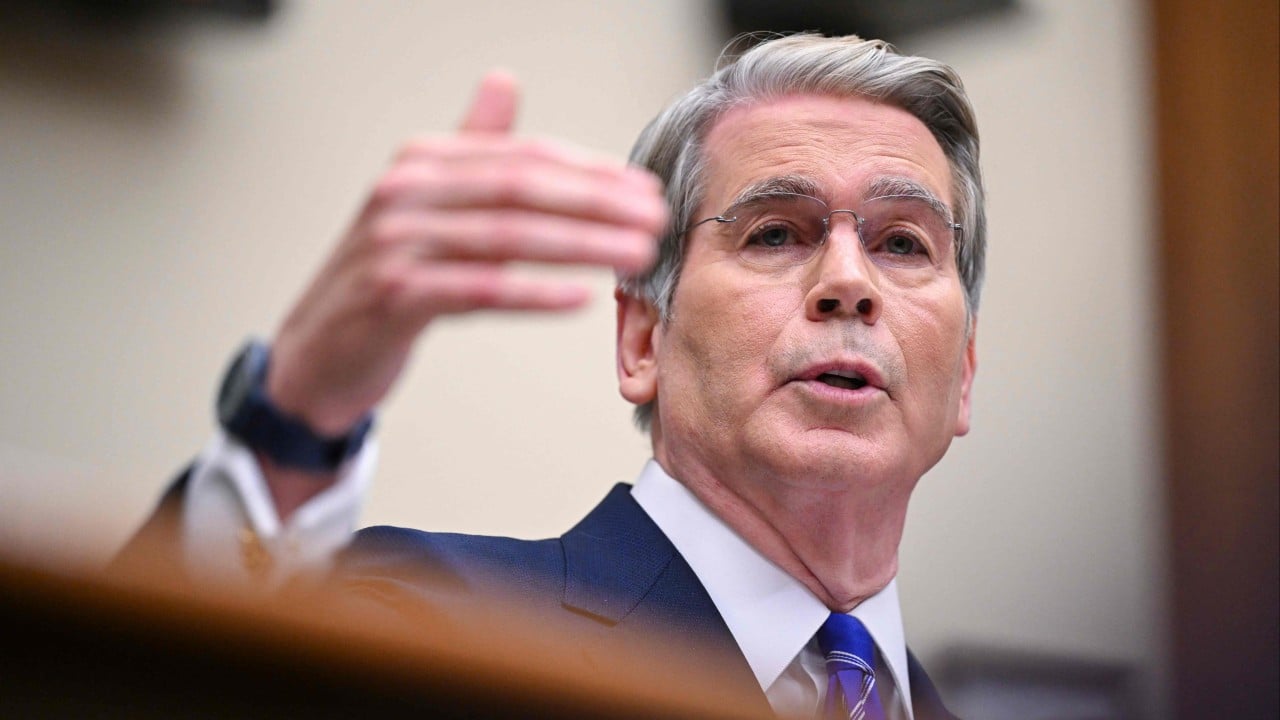
Speaking on CBS's Face the Nation on Sunday, the US Treasury Secretary walked back the sharp edge of his earlier push for Nvidia's board to hire an outside chief executive. His line was clever and calculated. He noted he had told the board to look outside, then added that Huang is on the outside now.
That wordplay matters. It lets Bessent align with President Donald Trump's public support for bringing Huang back without looking like he folded overnight. Still, Bessent didn't hand Huang a blank check. Any comeback, he made clear, depends on where responsibility lands in an active federal compliance probe into chip shipments to China.
If you're following Nvidia right now, the real story isn't just who holds the corner office. It's who controls the narrative around export compliance, national security, and a stock that has already been hammered.
What Actually Triggered the Shakeup at Nvidia
Huang stepped down after personal scandal headlines involving a suspected Chinese spy collided with intense scrutiny over China chip exports. Once a scandal hits that intersection in Washington, personal missteps quickly get tangled up with export controls and intelligence anxieties.
The market reaction has been brutal. According to recent coverage, Nvidia's shares dropped 14% on Friday and sit down roughly 34% for the year, sliding to fourth place behind Apple, Microsoft, and Alphabet. When a company of Nvidia's scale loses that kind of ground, every board rumor and cabinet interview moves billions in market value.
Here is the part people watching from the sidelines often miss. In corporate crises involving export rules, a personal scandal is rarely the whole ballgame. Regulators care deeply about compliance culture—who approved shipments, who ignored red flags, and whether internal guardrails worked.
Why "Where the Buck Stops" Is the Real Test
Bessent said Treasury has been talking to temporary leadership, lead directors, and outside counsel, stressing that Nvidia needs to move fast so officials understand the company's compliance culture. That phrasing is classic regulatory pressure.
When a Treasury official asks who was in charge of compliance, they aren't asking for a polite memo. They're drawing a line between systemic failure and individual accountability.
- If investigators find systemic gaps: The board faces heavy pressure to keep fresh leadership and overhaul compliance oversight before restoring Huang.
- If accountability narrows or exoneration looks plausible: Political pressure from allies like Trump could give the board room to argue that Huang's operational track record outweighs the fallout.
- If the board stalls: Uncertainty drags on, keeping institutional investors jittery while Washington keeps asking questions.
Inside the Tug of War Between the White House and Treasury
Watching Bessent and Trump navigate this publicly shows how messy leadership crises get when industrial policy meets national security. Trump has publicly argued that bringing Huang back would benefit both Nvidia and the United States. Bessent, by contrast, is keeping one hand on the compliance investigation while leaving room for a political off-ramp.
I've seen plenty of corporate turnarounds stall when executives treat a regulatory probe like a PR problem. You can't spin your way out of export-control questions with a founder's charisma alone. Investors and regulators both want verifiable receipts on controls, audits, and decision trails.
At the same time, it's fair to question whether forcing a founder out fixes anything if the underlying AI hardware race demands decisive technical leadership. That tension is why people are arguing so fiercely about Huang's future. Some see a necessary reckoning over governance and China exposure. Others see a high-stakes clash between China hawks, rival tech interests, and a founder who built an empire.
What to Watch Next if You Track Chips or Markets
Don't get lost in hot takes on social media or cable panels. Look for concrete signals over the next few weeks.
- Read the exact wording from Nvidia's lead directors: Watch whether the board speaks about "interim stability" or "long-term succession." Those two phrases signal very different internal moods.
- Track compliance disclosures and legal updates: Pay attention to any mention of internal reviews, export-control audits, or communications between temporary management and Treasury.
- Compare stock reactions to policy headlines, not just earnings: Right now, regulatory signals on China shipments and leadership clarity are driving sentiment just as hard as quarterly numbers.
For anyone holding chip stocks, working in semiconductor supply chains, or advising tech teams on geopolitical risk, treat governance and export compliance as core business strategy—not back-office paperwork. Audit your own supplier and regulatory exposure now, verify every claim against primary filings and credible reporting, and wait for confirmed board or regulatory action before making big portfolio bets.